
A Tampa In-Law Suite With or Without Its Own Kitchen
Decide whether your parent will cook in the new suite before a Tampa contractor draws it, because that one choice decides which approval the job needs.
In-Law Suites quote in Tampa
Who the space is for, whether it needs a kitchen, and the address. With those three answers we can say which city or county rules govern the lot before a contractor draws anything.
$100 off your first job
Credited by us on your first booked job.
- One credit per customer per property, on your first booked job.
- Valid through December 31, 2026.
Mention this offer when you book. Full terms.
What a kitchen does to a Tampa parent suite
What most families want is simple: a bedroom, a bathroom and a door their mother or father can close, joined to the house so help is one room away. In Tampa that version is the easier one. The city's zoning code counts a dwelling unit as a space with its own kitchen, sanitary and sleeping facilities, so a suite without a kitchen stays part of your home and is permitted as an addition. Put a stove in and the same rooms become a second dwelling, which outside the city's four ADU areas means an Extended Family Residence. Knowing which one you are asking for saves paying for plans twice.
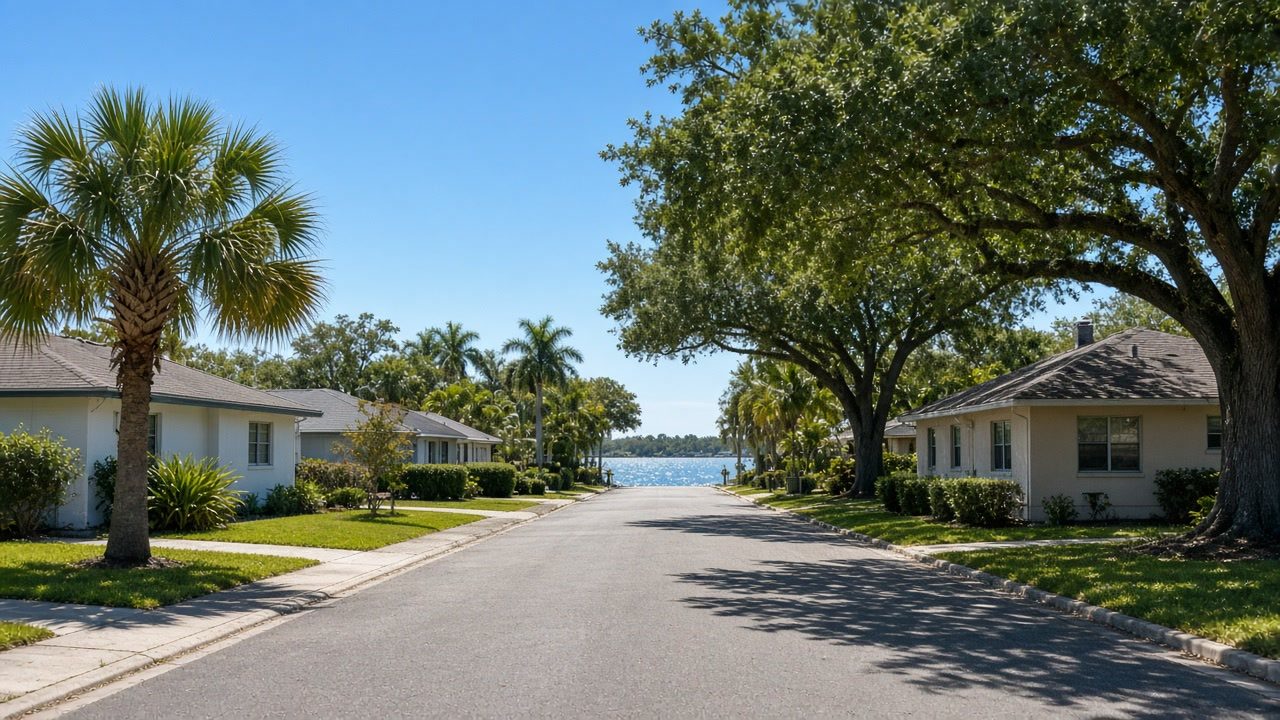
What in-law suites involves in Tampa
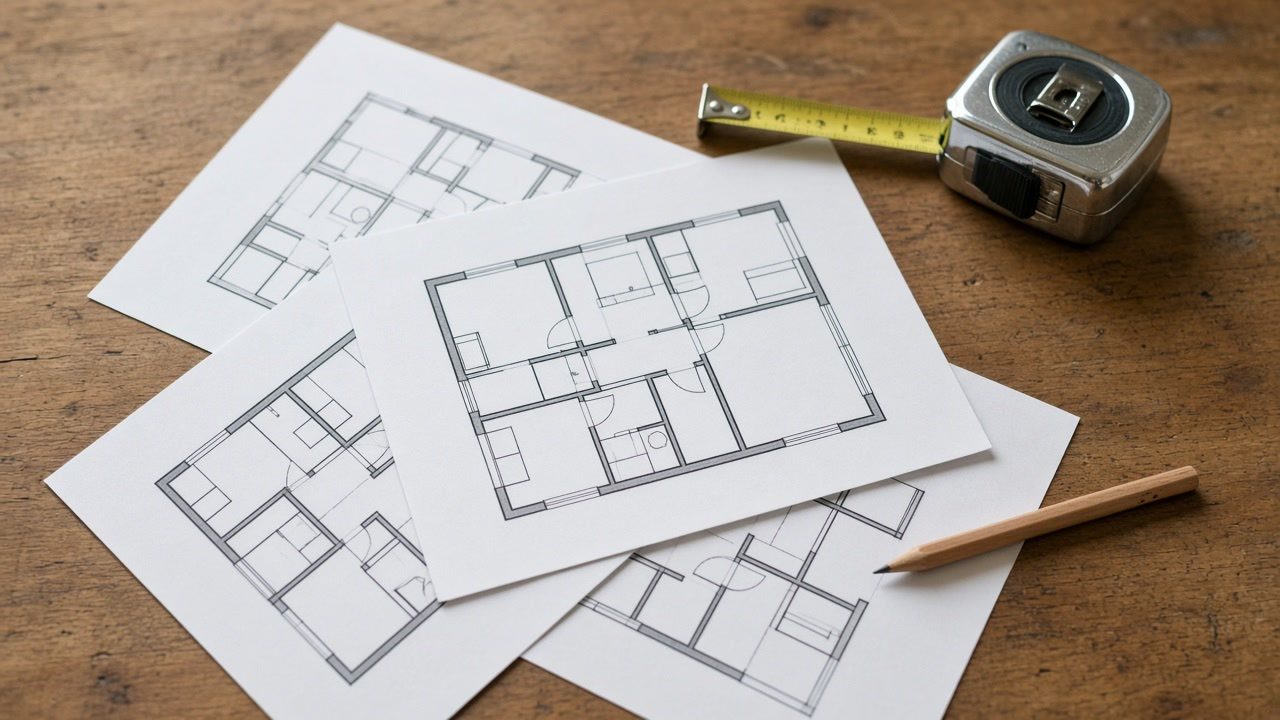
Before a Tampa Extended Family Residence goes to Special Use review
If your parent wants to cook for themselves, plan the suite as an Extended Family Residence from the start rather than adding a kitchen later. Tampa caps one at 600 square feet of living area, requires the property to be homesteaded, and allows two occupants at most, all family, with no rent and no separate electric or water meter. It also needs a Special Use 1 application filed online in Accela with a notarized owner affidavit, a to-scale site plan and a survey, followed by public notice.
Measure the living area against 600
The Extended Family Residence cap counts living area, and a suite drawn comfortably for a couple can run past it. Size the rooms before the survey is ordered.
Put the zoning step ahead of the permit
The city makes its Special Use 1 determination no less than 15 calendar days after the notice affidavit, so build that wait into the plan.
The approved site plan outlasts you
Tampa's approved Special Use site plan binds later owners of the property, which matters if the house may be sold one day.
Tampa's dwelling definition and family residence standards
Tampa's zoning code (Sec. 27-43) defines a dwelling unit as a single independent habitable unit containing independent kitchen, sanitary and sleeping facilities.
Source: City of Tampa (Municode), accessed 2026-09-23
Tampa's Extended Family Residence standards (Sec. 27-132) limit an EFR to 600 square feet of living area, require the property to be homesteaded, prohibit separate electric or water meters, limit occupants to family related by marriage, blood, adoption or legal guardianship, cap occupants at two, and prohibit rent.
Source: City of Tampa (Municode), accessed 2026-09-23
A Tampa Extended Family Residence requires a Special Use 1 (SU1) application filed online in Accela with a notarized owner affidavit, a to-scale site plan and a survey; it requires public notice, a determination is made no less than 15 calendar days after the notice affidavit, and the approved site plan binds later owners.
Source: City of Tampa, accessed 2026-09-23
The City of Tampa allows accessory dwelling units only in Seminole Heights, the area around Lowry Park, the East Tampa Overlay and the Tampa Heights Overlay; everywhere else in the city a second unit may only be created for a family member as an Extended Family Residence.
Source: City of Tampa, accessed 2026-09-23
Hillsborough County has adopted the parent and grandparent reduction by ordinance (Ord. No. 04-35, 2004, Code Chapter 46, Division 3). It applies to construction after January 7, 2003, applies to the tax levies of all taxing authorities in Hillsborough County, and is granted only where the construction complies with the Land Development Code and the Florida Building Code.
Source: Hillsborough County Board of County Commissioners (Municode), accessed 2026-09-23
Under Florida's Save Our Homes statute, F.S. 193.155(4)(a), changes, additions or improvements to a homestead are assessed at just value as of the first January 1 after they are substantially completed.
Source: The Florida Senate (Florida Statutes), accessed 2026-09-23
Will your parent cook in the Tampa suite?
Tell us how they will spend a day. We will say whether that keeps the job an addition or makes it a family residence application, before anyone draws it.
Cottages and ground-floor suites in Tampa
Tampa in-law suite questions families ask
Will adding a suite for my father raise our Tampa property taxes?
Expect the new space to be assessed on top of your homestead. Hillsborough County adopted the parent or grandparent reduction in 2004 for all taxing authorities, Tampa included, and grants it only where the construction complies with the Land Development Code and the Florida Building Code. The property appraiser decides each application, so keep the suite permitted and ask them early.
Could we rent the suite out after my mother no longer needs it?
Not if it is an Extended Family Residence. Tampa prohibits rent and limits occupants to family related by marriage, blood, adoption or legal guardianship. A rentable unit is an ADU, and the city allows those only in Seminole Heights, around Lowry Park and in the East Tampa and Tampa Heights overlays.
Send the Tampa address and who the suite is for
We connect you with a vetted Florida-licensed contractor who prices and builds it. We never bid the work ourselves, and sending a request commits you to nothing.