
Tampa Bay, in Hillsborough, Pinellas and Pasco counties
Senior Home Additions Across Tampa Bay, With the Rules Checked First
When a parent needs somewhere to live, or the stairs have become the problem, the space you add has to be one your lot and your county will actually allow. Tell us who it is for and what it has to hold, and before a contractor licensed by the State of Florida and insured for the work puts a price on it, we find out which of three rules apply at your address: the kitchen, the flood zone and the property tax. Under Florida law a suite with its own kitchen, bathroom and sleeping area is a second dwelling, so that one decision, made first, shapes everything the contractor draws.
Request a Quote
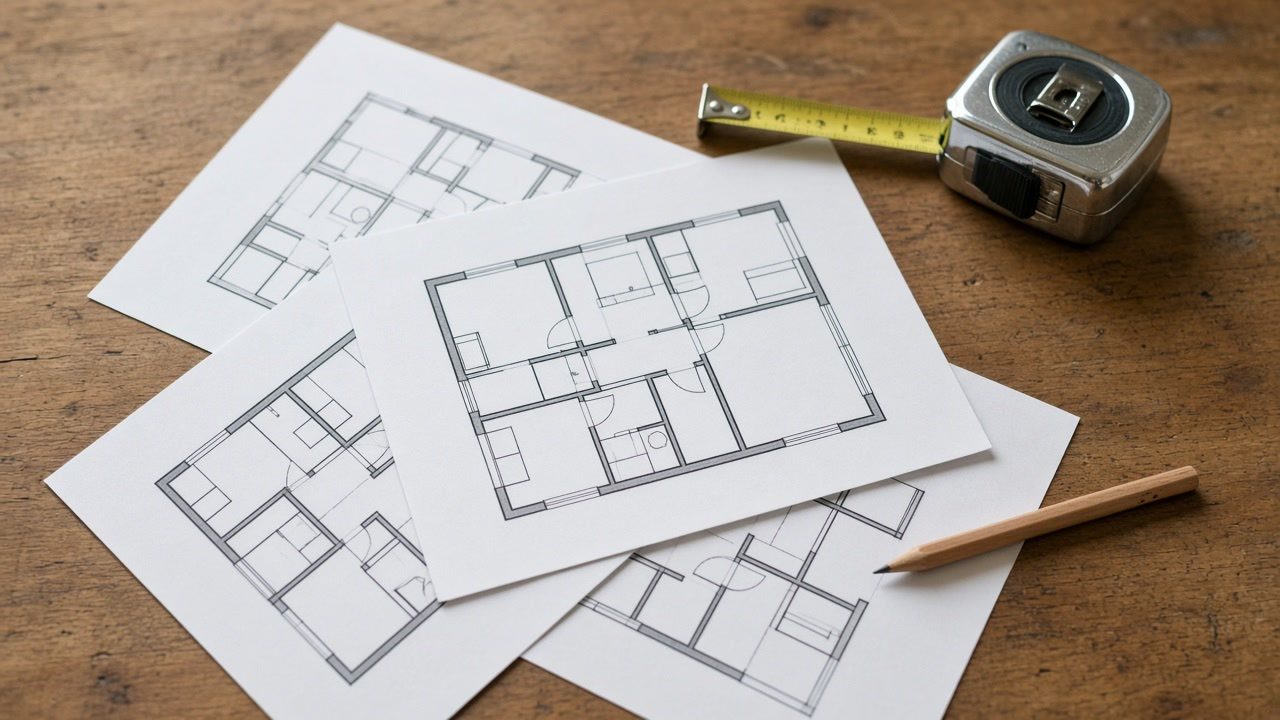
Who the space is for, whether it needs a kitchen, and the address. With those three answers we can say which city or county rules govern the lot before a contractor draws anything.
$100 off your first job
Credited by us on your first booked job.
- One credit per customer per property, on your first booked job.
- Valid through December 31, 2026.
Mention this offer when you book. Full terms.
Four kinds of new space, split by the rule that decides each
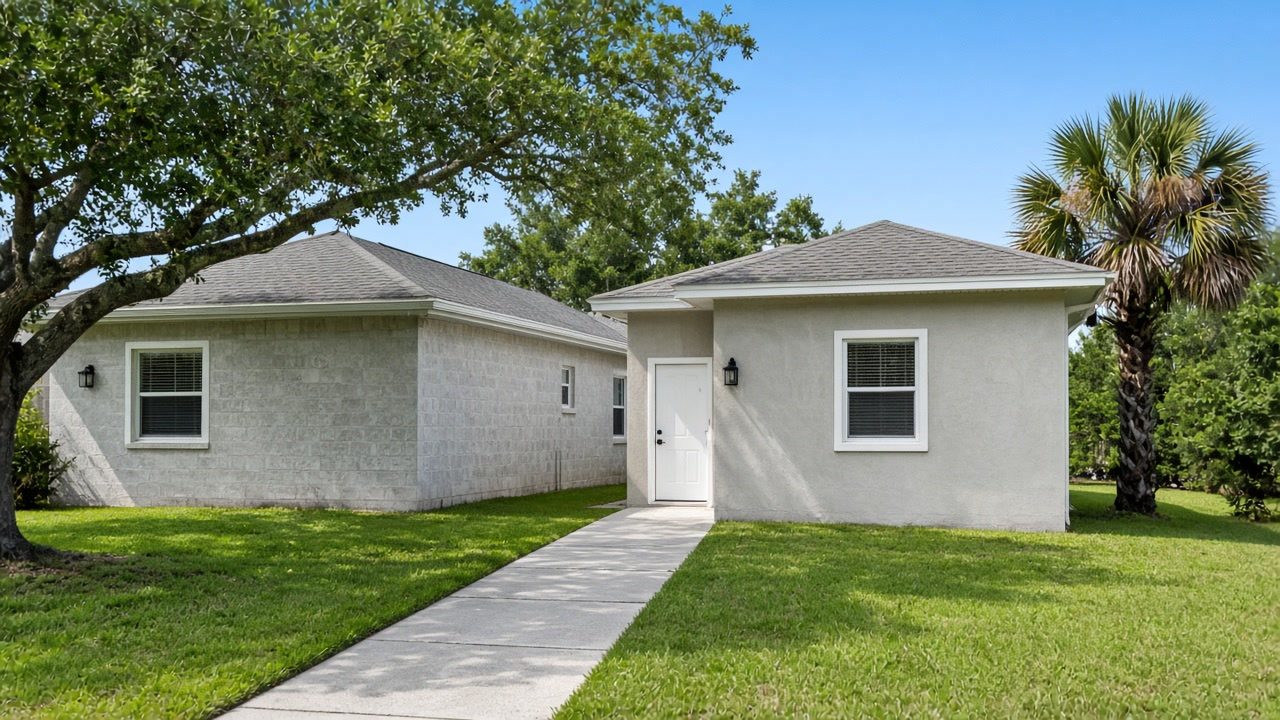
Choose the one closest to what your family has in mind. They are split by what governs each: a suite joined to the house turns on whether it gets a kitchen, a ground-floor bedroom and bath in a flood zone turns on the flood line, a backyard cottage is governed by your city's own accessory dwelling code, and a garage conversion starts with whether the floor sits high enough to be living space. The split matters because the same family need can be allowed in one form and refused in another: Largo, for one, does not permit an accessory dwelling unit in its flood hazard area at all.
In-Law Suite Additions
Add a bedroom, a bathroom and a sitting room onto the house so a parent can live with you and still close a door of their own, planned so the kitchen decision does not turn it into a second dwelling by accident.
Start here if a parent is moving in, and you want them under your roof with a bedroom, a bathroom and a door of their own.
About In-Law Suites →First-Floor Primary Suite Additions
Put a bedroom and a bathroom on the ground floor for someone who can no longer manage the stairs, without the addition pulling the whole house under current flood rules.
Start here if someone in the house can no longer manage the stairs, or the bathroom they have no longer works for them.
About First-Floor Suites →Detached ADUs and Backyard Cottages
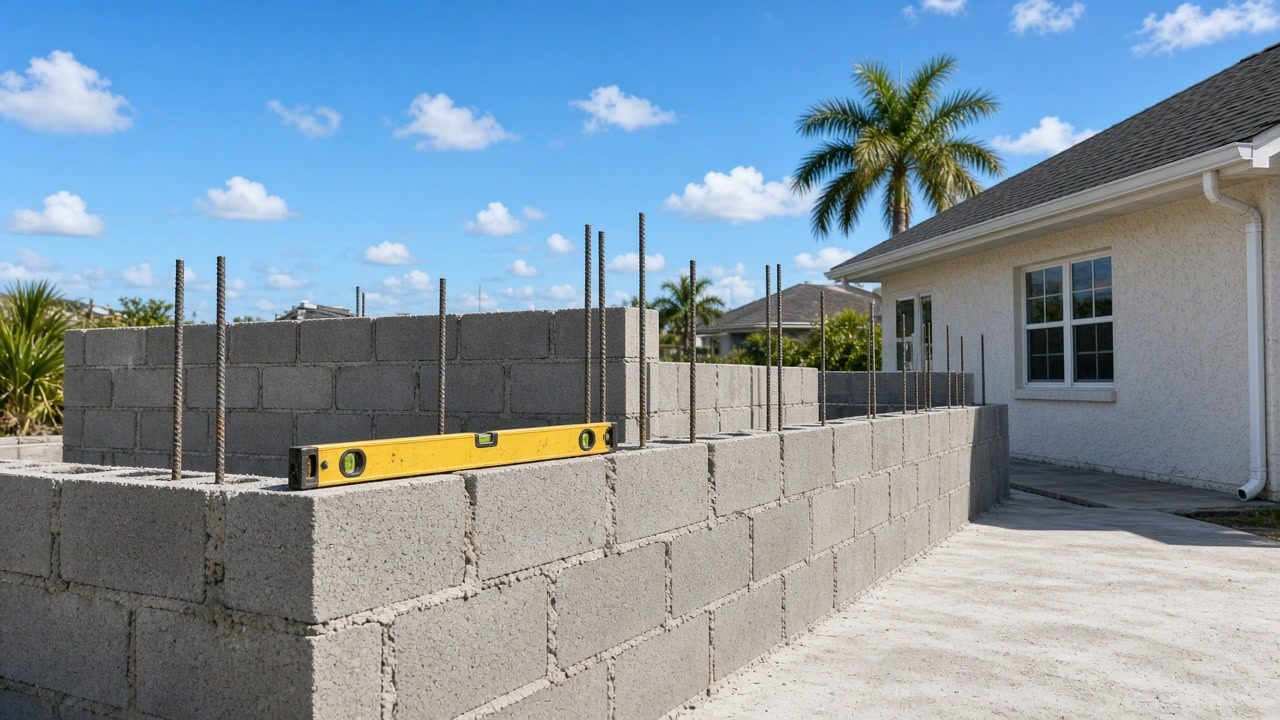
Put a small, separate home in the backyard for a parent, close enough to help and far enough for their own front door, under the rules that actually govern the lot.
Start here if your parent wants a home of their own, and your lot has room in the back for one.
About Detached ADUs →Garage Conversions to In-Law Suites
Turn the garage into a bedroom and bath for a parent, using space the house already has, without finding out afterward that the slab sits too low to be living space.
Start here if you have an attached garage you can give up, and a parent who needs a room on the ground floor.
About Garage Conversions →Find out what your lot allows before anyone draws a plan
Describe the suite and the house. We will tell you whether the kitchen, the flood zone or the county tax rules change the job, and which licensed local contractor fits it.
How an addition gets planned, from your request to a contractor's price
You tell us who the space is for. We check what your address allows. A licensed local contractor prices it, and the decision stays with your family.
Tell us who the space is for and where the house is
Five short questions: what you are thinking of building, who will live in it, whether it needs a kitchen, whether the house is in a flood zone, and when it needs to be ready. Not sure about any of them is a fine answer, because working it out is the next step.
We check the three rules against your address
A person reads your request and looks at what decides the job before any design exists: whether a kitchen would make the suite a second dwelling under your city or county code, whether the addition could cross the flood line, and whether your county offers the reduction for quarters built for a parent or grandparent.
A licensed local contractor prices the plan
We pass the request to a vetted local contractor who is licensed by the State of Florida and insured for the work. The price and the contract come from them, not from us. Nothing you send commits you or your family to anything.
What makes this a local problem
Florida Statute 163.31771 defines an accessory dwelling unit as an ancillary or secondary living unit that has a separate kitchen, bathroom and sleeping area, within the same structure or on the same lot as the primary dwelling.
Source: The Florida Senate (Florida Statutes), accessed 2026-09-23
Federal NFIP regulations (44 CFR 59.1) define substantial improvement as any reconstruction, rehabilitation, addition or other improvement of a structure whose cost equals or exceeds 50 percent of the market value of the structure before the start of construction.
Source: Electronic Code of Federal Regulations (National Archives), accessed 2026-09-23
Under Florida's Save Our Homes statute, F.S. 193.155(4)(a), changes, additions or improvements to a homestead are assessed at just value as of the first January 1 after they are substantially completed.
Source: The Florida Senate (Florida Statutes), accessed 2026-09-23
Florida Statute 193.703 lets a county reduce the assessed value of a homestead when construction or reconstruction creates living quarters for a natural or adoptive parent or grandparent of the owner or the owner's spouse, if at least one of them is at least 62. The value excluded may not exceed the lesser of the increase in assessed value from the construction or 20 percent of the total assessed value of the property as improved.
Source: The Florida Senate (Florida Statutes), accessed 2026-09-23
What decides an addition before anyone draws it
The kitchen. Florida law defines an accessory dwelling unit as a separate living unit with its own kitchen, bathroom and sleeping area, and each city and county decides whether one is allowed on your lot and on what terms. Adding a stove to an in-law suite can change what you are applying for, so the decision is made deliberately and early.
The flood line. Under federal flood insurance rules, an addition whose cost reaches half the market value of the existing structure is a substantial improvement, and in a flood zone that can mean the whole house has to meet current flood requirements. In unincorporated Pinellas and in St. Petersburg the line is 49 percent. Knowing the figure first tells you how large the suite can be before it becomes a different project.
The property tax. Save Our Homes caps the assessment on the house you have, but new space is assessed at full value from the first January 1 after it is finished. Where a county has adopted the reduction for quarters built for a parent or grandparent aged 62 or older, the application goes to the property appraiser before March 1, and the appraiser decides. We raise all three before a contractor quotes.
What changes when the rules come before the drawings
The kitchen is decided on purpose
Much of the trade sells a kitchenette as a feature. In Tampa, a second unit with its own kitchen outside four neighborhoods can only be an Extended Family Residence, capped at 600 square feet, for family only and never rented. We say which side of that line a design sits on before it is priced.
The flood figure comes before the floor plan
A ground-floor suite is often exactly what a parent needs and exactly what pushes a house over the substantial improvement line. Asking for the structure value first means the size of the addition is chosen knowing the consequence, not discovered at the permit counter.
The tax question is asked while it can still change the plan
In Pinellas the parent or grandparent reduction applies only in unincorporated areas, and the quarters must have their own bathroom and kitchen, which can pull against a city or county zoning rule. Hillsborough applies its reduction to every taxing authority in the county, and Pasco offers one as well. Where your house sits changes the answer.
Nothing to build and nothing to sell you
We are not a contractor or a designer, and we do not price the work. If a bathroom change inside the house, or a den turned into a bedroom, would solve the problem without an addition, that is what you hear from us.
Coverage across Tampa Bay, in Hillsborough, Pinellas and Pasco counties
What families ask before they plan an addition
The real trouble is the stairs or the bathroom. Do we need an addition at all?
Often not. If there is a den or a dining room on the ground floor nobody uses, turning it into a bedroom can give a parent a room without adding a square foot. If the bathroom is the obstacle, a bathroom modification inside the house is a smaller job, and if the stairs are the only problem, a stair lift may be. Those are different trades and not work this site arranges, so price them first. Send a request when the family needs space the house does not have.
My mother needs somewhere to live now. Is an addition the right answer?
Maybe not for now. Anything new has to go through zoning where it applies, a building permit and inspections before anyone can move in, and a suite with a kitchen in Tampa can also need a special use review with public notice. If the need is immediate, a room you already have is usually the answer for the next few months, and the addition is the plan for after. If her days will need nursing care, plan the care first and let the space follow it.
Can the suite have its own kitchen?
It depends on where you live, and it is the most important decision in the project. Florida defines an accessory dwelling unit as a living unit with its own kitchen, bathroom and sleeping area, so adding a kitchen changes what you are building in the eyes of the code. Some cities allow one on any single-family lot; Tampa allows accessory dwelling units only in four areas and treats a family suite elsewhere as an Extended Family Residence of up to 600 square feet; New Port Richey allows an apartment only inside the house. Tell us the address and we will tell you which applies.
Will adding a suite raise our property taxes?
Usually, yes, on the new space. Save Our Homes caps the assessment on the house you already have, but an addition is assessed at full value from the first January 1 after it is substantially completed. Florida lets a county reduce that when the construction creates quarters for a parent or grandparent aged 62 or older, up to limits set in the statute. Hillsborough and Pasco offer it; in Pinellas it applies only outside the cities. The application goes to the property appraiser before March 1, and the appraiser decides. We point you to it; we do not give tax advice.
We are in a flood zone. Can we still add a bedroom?
Often, but the size matters. If the cost of an addition reaches 50 percent of the market value of the existing structure, 49 percent in unincorporated Pinellas and in St. Petersburg, it is a substantial improvement, and the whole house may then have to meet current flood rules, which can mean elevating it. Some towns go further: Largo does not permit an accessory dwelling unit in its flood hazard area. The building department makes the determination, so the useful first step is finding the structure value it will use.
Are you the contractor?
No. We are a referral service. We do not design, price, bid, contract, build or apply for permits. We find out who the space is for and which rules apply to the address, then connect you with a vetted local contractor who is licensed by the State of Florida and insured for the work. Florida requires a contractor's license number on every bid and contract, and you can check it on the state's public license search at myfloridalicense.com before you sign.
One request, and the three questions are answered first
Sending a request commits you and your family to nothing. Someone here reads it first, and no contractor is put in touch until you know which rules your lot is under.